As I
wrote previously, this "
Your Favorite Rapper is Poor" series has become the most popular series on RefinedHype that doesn't involve booty, so in an effort to take you even deeper inside the world of hip-hop finance I'll be rolling out interviews with an indie rapper, indie producer, indie label owner, mainstream rapper (done deal,
right Jay-Z?), mainstream producer, and just about anyone else with some inside knowledge of the game I can con...I mean convince to talk to me. First up
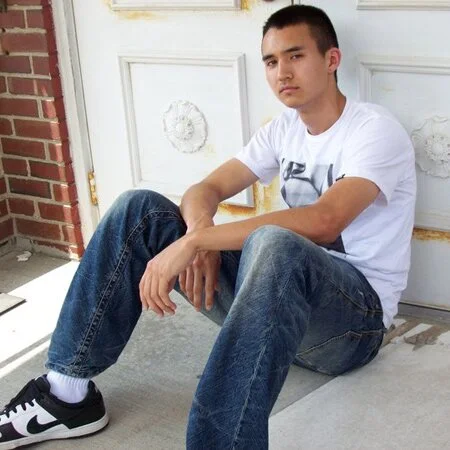
Kandid McFly, a dope indie rapper whose latest project, "
The Opening Act", openly explored the financial obstacles constantly being placed in front of a rapper on the rise.
RefinedHype: To start off, and to be a little blunt, are you making money off of music at this point in your career?
Kandid McFly: This project ["The Opening Act"] we're doing for free, to build some more awareness of my music, but I have made some money off previous projects.
RefinedHype: How'd you go about that? Selling hand to hand? iTunes?
Kandid McFly: Mostly just hand to hand. A lot of the music I couldn't get sampled cleared, didn't have the time or money to have the samples cleared, so we had to go hand to hand. Writing letters to the owners of the sample, waiting for them to hit you back and let you know, that whole process can take months and messes with when you want the project to be released. It's crazy. If you have a record that gets radio play the owner of the sample has to get paid too, so often times it's not worth it.
RefinedHype: Speaking of which, are you a member of ASCAP? Can you explain what ASCAP does?
Kandid McFly: Yeah, I'm a member. They basically copyright your music, help handle publishing rights, make sure you get paid royalties for your work, all of that.
RefinedHype: How did you start to learn about the business side of the game?
Kandid McFly: I picked up a book. It's that simple. A lot of rapper think all they have to do is have talent and they're going to get signed, get picked up by an A&R. But you really need to pick up a book and learn about contracts, how your album gets broken down in terms of who gets paid what, who gets paid off shows, everything.
RefinedHype: Great advice. Would it be accurate to say you're looking for a major label deal right now?
Kandid McFly: Well...we actually met with a few folks when we dropped the project, and they liked it, but their whole thing is hit or miss. You've either got a hit record, or not. They told me, this is good music as an album, but albums aren't selling right now, so in order for us to push this you have to show that you have a following. So I basically said ok, I don't want to do the major label thing. I want to put out my music the way I want to. But once some more buzz starts picking up, yeah, I'll re-consider going to a major.
RefinedHype: We've talked a lot in this series about the advantages of staying indie versus going to a major, and how many more hands are in your wallet at a major label.
Kandid McFly: Yeah, this shit is crazy now. The majority, I'd say 90% of the labels, only want a 360 deal, where they take a percentage of just everything. But if you prove that you can handle your own promotion, handle your marketing, they won't be able to take money out for those services because you've already shown you can handle it.
RefinedHype: And we've talked also talked about this before, but people don't realize it's all a percentage game. To make the math easy, let's say an artist has a hit single and that single makes $1 million. People would look at that and think they're rich, but they don't realize that the artist is clearing, what, .5% when all is said and done? You'd be far better off selling $100,000 independently and keeping 50%.
Kandid McFly: Exactly, exactly.
RefinedHype: Do you feel pressure to make that big, hit single? How do you walk the line between maintaining your integrity and making music that's as popular as possible?
Kandid McFly: The pressure doesn't bother me, but in a way it does. When you make a song and you put so much energy into it, and they say no that's won't work, but in your heart you know it would, that's what's so difficult about messing with a major. They go by statistics, but you can't match statistics with how people feel about your music. You know what I'm saying? You have to prove people love you music first. For instance, take Drake. Before he put out "So Far Gone" people were like no, no, no, but once that blew suddenly everyone wanted him. That's what I want to do, because that's where you have some power to do what you want to.
RefinedHype: Definitely. Ten years ago a label would find an artist with potential and work on building them, but now, they're just....broke. So they're increasingly demanding that an artist bring an audience with them to the table before they're signed.
Kandid McFly: When they see an artist who's already developed, that's less money out of their pockets.
RefinedHype: Of course what's really changed is distribution. With the digital revolution labels don't control distribution anymore, but the downside of that is there's an expectation now that music is free. How do you feel about the current digital game.
Kandid McFly: I'm down with the digital game. There are so many rappers out there people don't know who to trust, who to spend their money on. So you have to give away that first product for free to let people know this is what I do, this is why you should support me. Most independent artist never had the money behind them to get their music out, out to different countries, but now you can. It's been huge.
RefinedHype: Will you be going on tour soon?
Kandid McFly: Yeah, yeah, we're actually lining up shows now. Things are so over saturated right now that if you can hear someone live, it's helps so much. Everytime I do a show people come to me and ask, you got a CD? So I know that if I can go from city to city and have people really come out, that will make a huge difference.
RefinedHype: It seems like now artists see most of their financial gain from having their music drive their touring. They may not see much, if any, money from their music, but if that records a hit and people want to see them live, they can start seeing real profits. Look at a group like The Roots - they've never come out with a top ten album or hit, but they could stop recording entirely and every live show they play would be sold out. That's a far more stable career, instead of living single to single. You need to build that loyal fan base.
Kandid McFly: Yeah, definitely. So look for us coming to your city soon.
Thanks to Kandid for taking the time to break down his grind, be sure to check out "
The Opening Act". Next up, my interview with up-and-coming producer Curtiss King, followed by
Duck Down indie label owner Buckshot. Keep it locked for more.









 Your Favorite Rapper is Poor: The Corporate Cash Edition
 Your Favorite Rapper is Poor: Long Live Kool Herc Special Edition